



By Newsroom
Malawi’s major cities, Mzuzu, Lilongwe, Zomba and Blantyre, located many kilometers apart, only differ on buildings’ and roads architectural designs but similar in uncontrolled illegal vending, poor planning, poor waste management and urbanization challenges.
The show, to improve the shocking status quo of the cities, now rests in the hands of city mayors to effectively implement the Decentralization Policy.
In Blantyre, Mayor Isaac Jomo Osman has become exceptional for demonstrating that it is possible to keep clean and re-organize the city which social commentator George Chaima thinks other mayors can emulate.
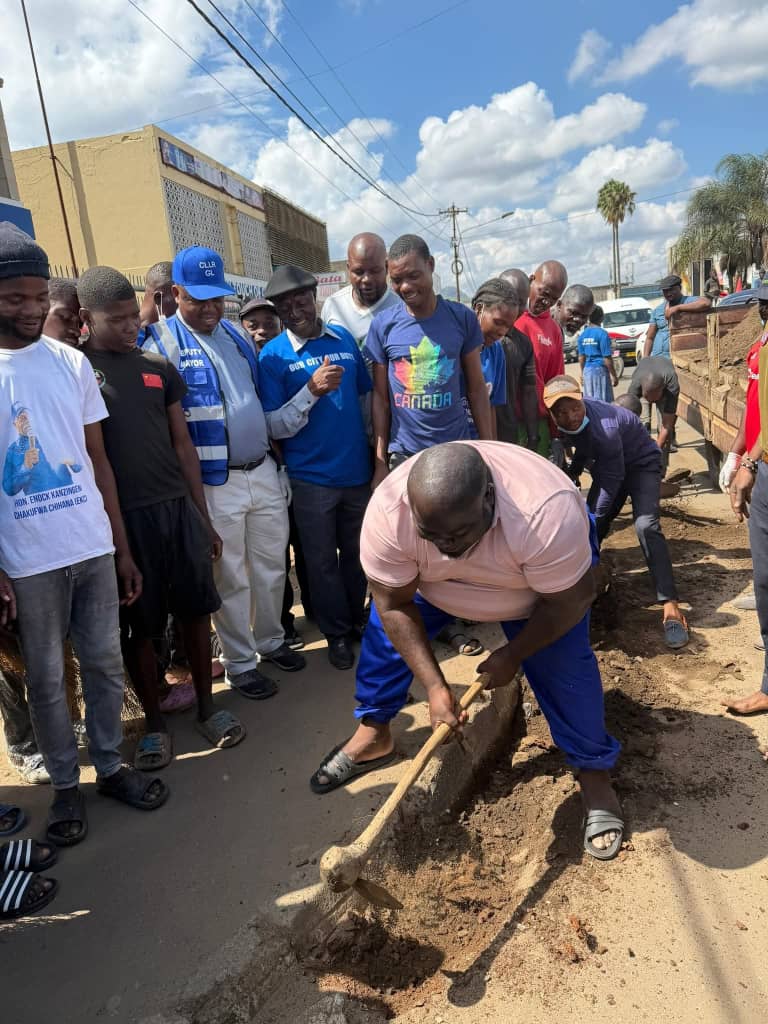
We analyze mayoral uphill tasks to modernizing cities and the practicality of calls for copying what appears working in Blantyre and pasting in other cities over strategic plans.
Political parties come and go! However, the people of Malawi remain. This is their home. They have no other home apart from Malawi.
To ensure that all Malawians are served well, parliament enacted the Decentralization Policy in 1998, just four years after adopting multiparty system, as a public sector reform. The policy, now 27 years old, aims at devolving political and administrative authority of the Malawi government from its headquarters at the Capitol Hill in Lilongwe to local councils.
In other ways, this is a shift of power to improve public services delivery, grassroots participation and strengthen democracy through election of Councilors, Members of Parliament and the President, every five years.
On 16th September 2025, Malawians elected five hundred and nine Ward Councilors to facilitate and monitor implementation of various development projects for timely and effective delivery and transparency.
However, special focus is on major cities, Lilongwe the capital city, Blantyre the commercial city, Mzuzu the green city and Zomba the old capital city, where mayors have daunting tasks to bring sanity.
The four cities, located hundreds of kilometers apart, only differ on buildings’ and roads architectural designs but similar in uncontrolled illegal vending, poor planning and unauthorized settlements, poor waste management and urbanization challenges. These cities, however, will surely require similar strategic solutions.
In Blantyre City, Bangwe Ntopwa Councilor Isaac Jomo Osman is the Mayor to watch. In Lilongwe City, Chigoneka-Mtsiliza Ward Councilor Peter Alex Banda, his counterpart.
Mzilawayingwe Ward Councilor Chiyembekezo Glyn Moses is entrusted to head Mzuzu City Council as Mayor. In the old capital city, Mpira Ward Councilor Christopher Jana is the Mayor who promised to make Zomba great again.
The mayors, separately, vowed to restore order and sanity in their respective cities through policy and strategic decisions. Just a month after their election in November, Blantyre City Mayor Isaac Jomo Osman turned out to be an icon of excellence. Osman got to work not for photo opportunities and visibility but improve the city’s status quo.
Soon, debates and comparisons emerged, with Osman dominating headlines than his counterparts.
From Mbayani Township in Blantyre, Joyce Hoda appreciates Mayor Osman’s work in promoting hygiene, but prays that the council decisively deal with other social ills such as the growing spell of illegal vending.
Another Blantyre resident from Chilimba Township, Dickson Samson is deeply concerned that some vendors freely operate their businesses by setting up stalls in the middle of the streets, which disturbs traffic and orderliness. Samson believes that allocating all vendors to one designated area to clear roads and pavements, could be a good solution.
The situation in Blantyre City is not far from the realities in Mzuzu, Lilongwe and Zomba cities. Generally, dirty market surroundings coupled with presence of heaps of uncollected refuse and other wastes scattered on open grounds, illegal constructions as a result of urbanization and clogged drainage networks form Mayor’s urgent to do list.
In Mzuzu, Mayor Moses told us they have plans to improve sanitation in the green city and work on other requirements such as roads while sensitizing people to change mindsets on littering anyhow.
Social commentator George Chaima says Mayors have huge responsibilities to implement development projects and ensuring that social services are running smoothly, businesses are done in designated areas while citizens comply with tax obligations for national progress.
“Actions being undertaken by the Blantyre City Mayor Osman as excellent and urged other mayors to learn from his efforts,” says Chaima.
Bwezi la Ana Foundation Executive Director, Amos Chibwana, says it is commendable that some mayors are working with street-connected children, citing Mayor Osman as an example.
Chibwana says this cooperation helps children feel valued and included and lessens community conflicts with the public which feel insecure that cities are now crowded by street-connected children.
Meanwhile, the Centre for Social Accountability and Transparency (CSAT) Executive Director, Willy Kambwandira, has emphasized that Mayors have a duty to ensure their cities are safe and clean.
However, Kambwandira while acknowledging that mayoral comparisons could help to motivate Mayors who are doing commendable work, he argues that each mayor operates according to their work plan, strategy and people’s needs.
Environmental expert, Mathews Malata applauds Mayor Osman’s approach to work for seriously looking into the outstanding problem of poor waste management, which is pressing and widely common in all cities.
“In fact, he says clean cities can potentially attract investors for socio-economic development,” says Malata.
As Malawi embarks on a new chapter of local governance spanning 2025 to 2030, expectations remain high for councilors and mayors to deliver tangible developments and improvements in the management of the cities.
While Blantyre City Mayor Osman’s actions have drawn significant public attention and praise, experts caution that effective leadership should be assessed within the context of each city’s unique challenges and strategic priorities.
What remains clear is that all mayors share a constitutional mandate to promote order, inclusiveness, development, and accountability.
Rather than focusing on comparisons, stakeholders agree that collaboration, innovation, and responsiveness to citizens’ needs will ultimately determine the success of city councils’ leadership and their long-term development of cities in Malawi.








Leave a Reply