


By Johans Mumba
The Office of the Director of Public Prosecutions is becoming synonymous with discontinuation of high-profile corruption and financial crime cases of political bigwigs and other senior government officials, citing insufficient evidence.
Some notable cases dropped, between 2023 and early 2026, include those against former President Bakili Muluzi, Late Vice President Saulos Chilima, some former Reserve Bank of Malawi officials and serving cabinet ministers.
Center for Social Accountability and Transparency (CSAT) Executive Director Willy Kambwandira warns against fighting a losing battle if socio-politically connected elephants often walk free while pouncing hardest on low-profile corruption cases.
Johans Mumba zooms into legal and social impacts of discontinuation of some high-profile corruption cases with huge public interest on the fight against the vice.
During the 2022 commemoration of the Anti-Corruption Day at Kasungu Stadium, former Anti-Corruption Bureau (ACB) Director General, Martha Chizuma made a strong speech highlighting the external forces the bureau was getting as it was prosecuting some high profile corruption cases.
Her message was clear; to deal with the elephant in the house – corruption – regardless of whoever is involved in and their societal status.
She knew that fighting corruption among the high-profiled individuals in political, social and business fronts require great stamina and commitment.
Chizuma, the first woman to head the bureau, however, saw the wrath of the corruption empire fighting back. The hunter herself was arrested. Not long ago, the empire also fought back and a life was lost.
The story of Issah Njauju remains unresolved while corruption is gaining ground.
Now, why is it that some corruption cases are discontinued instead of leaving them in the hands of the courts to dispose them off for lack of evidence?
This now quenches the morale of dealing with some corruption cases particularly those of bigwigs which are discontinued by the Office of Director of Public Prosecutions (DPP).
Recently, DPP withdrew two long-standing corruption cases involving prominent figures former RBM Governor Dalitso Kabambe, Deputy Governor Henry Mathanga, Cabinet Ministers Joseph Mwanamvekha and Jean Mathanga, and Secretary to the Treasury Cliff Chiunda.
Charges against the late Vice President Saulos Chilima, who was accused of accepting bribes linked to government contract awarded to companies connected to Zunneth Sattar, were also dropped in 2023.
Dalitso Kabambe’s charges, which included suspected fraudulent activities related to a $350 million Afrexim bank loan and COVID-19 relief funds, were discontinued between 2025 and early 2026.
Similarly, cases against Finance Minister Joseph Mwanamvekha involving financial crimes and abuse of office were dropped in both 2023 and February 2026.
Henry Mathanga and Cliff Chiunda also saw multiple cases against them discontinued during this period.
Willy Kambwandira, Executive Director of the Center for Social Accountability and Transparency (CSAT), criticizes the focus on prosecuting low-profile individuals, calling it an unfortunate distraction from fighting corruption at higher levels.
“The continued discontinuation of the high-profile corruption does not demonstrated government’s commitment to fight corruption in the country,” said Kambwandira.
Social commentator, Peter Mumba echoed this concern, saying most discontinued cases involve politicians or people closely connected to politics.
Mumba has urged the Ministry of Justice to allow every corruption case to proceed through the courts to ensure justice is served.
“It is very unfortunate that focus to combat corruption is put on low profile individuals. With is approach the country cannot win the fight,” said Mumba.
Governance expert, George Chaima emphasized the need to strengthen court systems to challenge these cases effectively, while pointing out that political influence has undermined professional and technical judgments within the legal profession.
Chairperson of the National Anti-Corruption Alliance, Michael Kaiyatsa, highlights that the current legal framework gives the DPP broad discretion but lacks effective review mechanisms.
Kaiyatsa warns that dropping these cases reflects a failure to combat corruption, which continues to drain government resources.
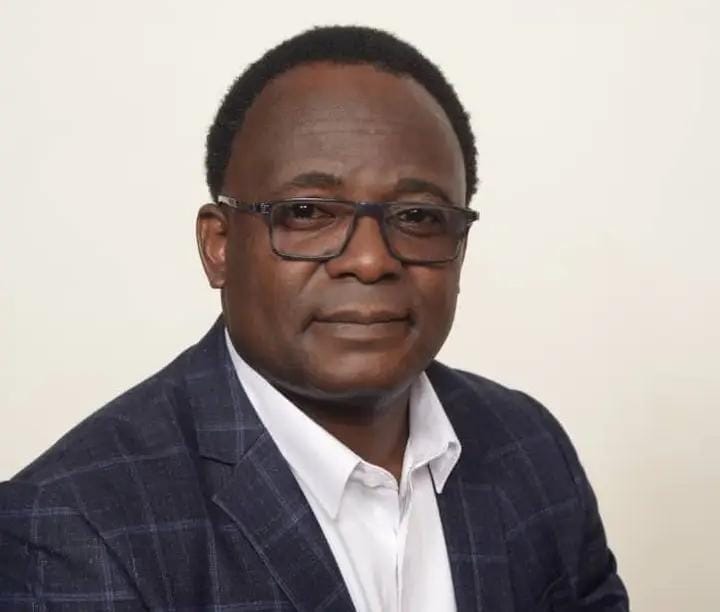
Executive Director of the Child Advocacy Center, Memory Chisenga expressed concern that dismissing these high-profile cases sends a dangerous message to future generations that appear to normalize corruption especially if big names are mentioned.
According to Chisenga, due processes should be followed and guilty parties prosecuted to instill fear of corruption among children and the youth.
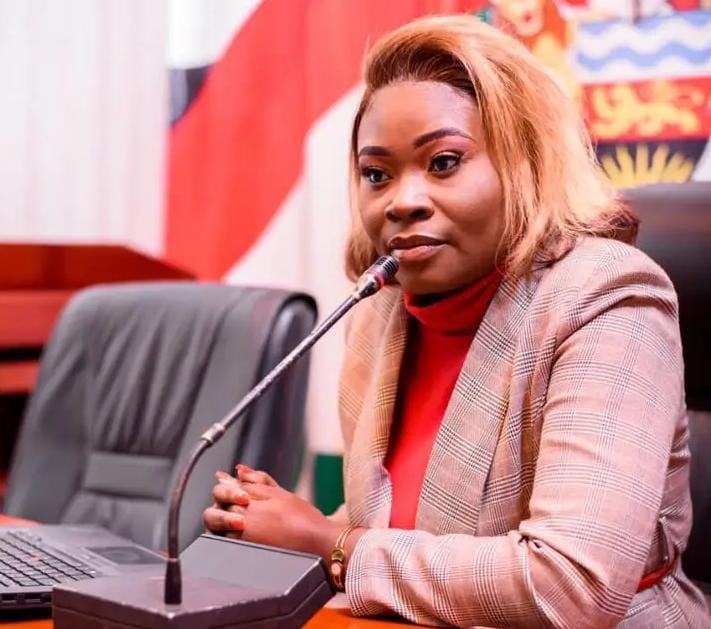
While DPP Director was unavailable for comment, the Malawi Law Society acknowledges the constitutional power of the DPP to discontinue cases but warns against abuse of this authority.
Barney Semphani, of the Malawi Law Society, underscores the fact that the DPP is central to fighting all corruption cases whether high-profile individuals or not.
Ministry of Justice and Constitutional Affairs spokesperson, Frank Namangale, affirms that the DPP must justify case discontinuations before the Parliamentary Committee on Legal Affairs.
“On the cases which have been discontinued, the decisions were made based on what the law stipulates, since he had provided all the reasons to the Parliamentary Legal Affairs Committee, because it is the requirement of the law that whenever such discontinuations have been made, the DPP has to provide the reasons,” said Namangale.
Although the Anti-Corruption Bureau (ACB) did not comment on the impact of these case withdrawals, such actions are seen to undermine public trust, foster a culture of impunity, and suggest that high-profile offenders are untouchable.
They reverse progress made by anti-corruption efforts, waste investigative resources, and weaken legal deterrents, potentially increasing corruption.
The appeal to the government is clear: it must uphold its duty to combat corruption without compromising justice.
When prosecuting corruption cases, there should be no sacred cows.








Leave a Reply